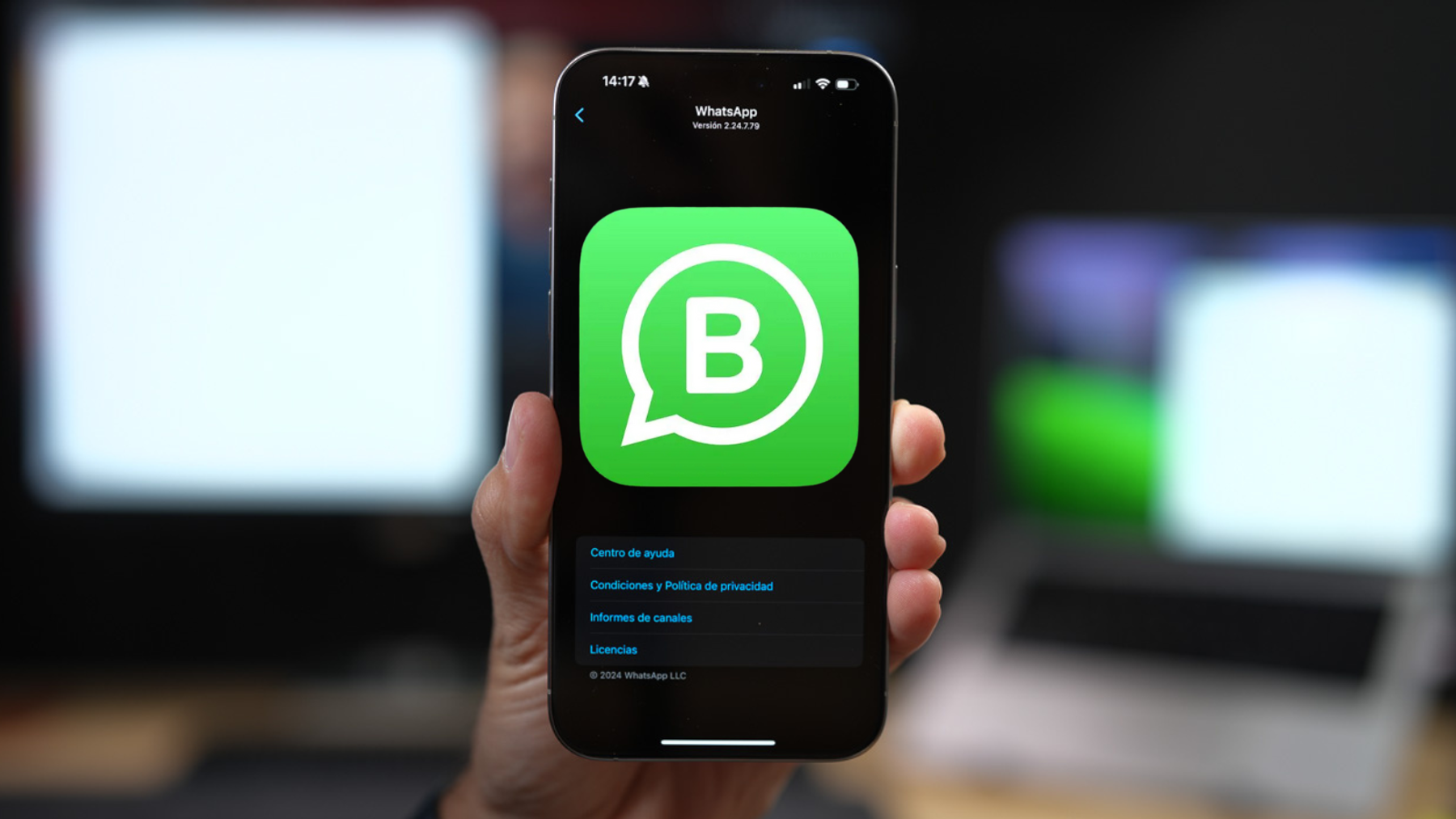
Message a business in Kampala today and there's a decent chance you already know how this goes.
The message delivers. The ticks turn blue — seen — and then nothing. Not a decline, not "we'll get back to you." Just silence, because whoever last had that phone is now on a boda, or asleep, or standing in front of an actual customer getting priority over a stranger's text.
You don't take it personally. You message the next place.
Give WhatsApp Business Its Due
Most Ugandan businesses aren't running this off a personal number anymore. They've moved to WhatsApp Business, the free app, and it's a genuine upgrade: a proper profile with hours and location, a catalogue, quick replies, an away message, labels to sort chats. For a one-person shop, that's a real customer service tool.
The trouble starts the moment a second person needs to help answer it — or the business grows past what one app was ever designed to hold.
One App, Four Devices, Zero Idea Who's Handling What
WhatsApp Business lets you link the number to up to four extra devices, so a small team can technically all reply from the same account. What it doesn't give you is any of the things that make sharing a number workable: no way to assign a conversation to a person, no internal notes, no record of who already replied, no visibility into how long anyone's actually been waiting. Labels are manual, the whole setup disconnects if the main phone stays offline two weeks, and broadcasts cap at 256 contacts — so a database of a thousand loyal customers is one you can't actually message at once.
Picture two staff, both logged into the same number, both trying to be helpful. A customer asks about a price. One answers. Ten minutes later, not knowing it's handled, the other replies too — with a different figure. Same chat, same customer, two answers within the hour. Nobody did anything wrong. The app just was never built to tell them someone else already had it.
The Real Cost Is Repetition and Silence
Nobody leaves a bad review because a WhatsApp Business message went unanswered for six hours — they just don't reply. Worse, when someone finally responds, the customer often repeats their issue from scratch, because the app keeps no memory of what was already said. Between the wait and the repeating, the lead goes cold, and looks, from the inside, exactly like one that was never serious.
We've made the case here before that every business in Uganda needs a website, because a website turns curiosity into contact. WhatsApp Business is where most of that contact lands. What happens after is the problem actually costing businesses customers.
Where the Real Upgrade Lives
The free app was built for one owner wearing every hat. The fix isn't abandoning WhatsApp — customers aren't going anywhere else — it's moving the number onto the WhatsApp Business Platform, the infrastructure behind proper support systems. There, a conversation gets assigned automatically based on the customer's language or what they're asking about, so it lands with the right person the first time. A basic chatbot can handle the repetitive stuff — order status, opening hours, prices — and hand off to a human with the full conversation attached, so nobody starts from zero. Owners and staff get different levels of access, and every reply gets timed, so "how fast are we actually responding?" has a real answer instead of a guess.
None of this is exotic. The banks and bigger brands whose WhatsApp support actually works are almost never running the free app behind it — there's a vendor in between, connecting them to that same Platform layer, handling the setup and the routing so the business itself doesn't have to. It works, which is exactly why it's spread. What hasn't spread is the assumption that this is only for companies with that kind of budget. It isn't. It's a vendor relationship, the same as hosting a website or running payroll software, and it's within reach of a business with three staff and one overworked phone.
That's the category we sit in too — not gatekeepers of some hidden feature, just the vendor that sets it up and runs it for you.
If your team is already juggling one WhatsApp Business number between three phones, that's not a discipline problem. It's an infrastructure gap, and a fixable one. Get in touch and we'll look at what it's costing you.
Growth shouldn't cost you customers.
It should find you ready for them.